Showing posts with label designer series paper. Show all posts

October 19, 2026

3 Easy Christmas Cards with Advent Labels & Small Paper Squares

 Small paper squares, big Christmas-card possibilities

Have you ever looked at a sheet of patterned paper divided into little squares and thought, ‘That’s pretty—but what am I supposed to do with it?’ You are not alone! A small panel can feel a little limiting when you are used to covering the whole front of a card.

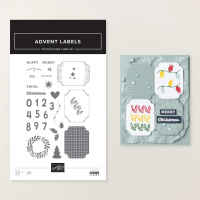
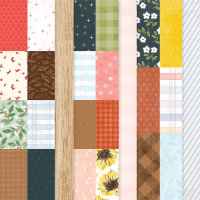
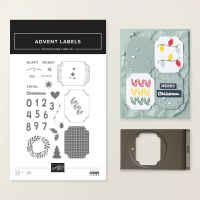
This week on Stampin’ Sundays with Katrina, we made three easy Christmas cards with the Advent Labels bundle and Hearth & Home Designer Series Paper. Each design gives those smaller pieces a job to do. There is a poinsettia focal point, a stack of festive labels, and a paper square that becomes a wrapped present.

If your creative energy is running low after a busy day, these are manageable places to begin. Choose your paper, make a few cuts, and let the patterns provide the personality.

1. Give a 3-inch square a simple frame


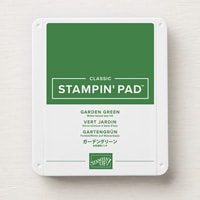
The poinsettia card starts with a 3 × 3-inch square of Designer Series Paper. I layered it on a 3 1/4 × 3 1/4-inch piece of Real Red cardstock and added it to a Garden Green card base.

Here is a useful little measurement trick: adding 1/4 inch to the overall width and height creates a 1/8-inch border on each side. You divide that extra space between two sides. It is a small detail, but that narrow frame helps the patterned paper stand out.

A stamped, punched Merry Christmas label overlaps the bottom of the panel. There is no need to fill every bit of green space. The open area helps your eye land on the flowers and greeting. A few candy canes stamped inside finish the card without adding another complicated step.

2. Repeat a label for an easy layout


For the second card, I used three small patterned rectangles down the left side of a Thick Basic White card base. Each rectangle measures 1 1/2 × 1 3/4 inches.

You can cut two of these rectangles from one 3-inch square; you will need another matching piece for the third. That is a good reminder to check the cutting plan before assuming every small-paper layout uses just one square. Keep the offcuts for another project.

Three white punched labels sit over the rectangles. A wreath, a tree, and three gold stars give each label its own little moment, while the repeated shape keeps the card looking coordinated. The Merry Christmas greeting sits to the right in the photographed version.

If choosing a layout is where you get stuck, try repeating a shape you already own. You have made one decision instead of inventing three separate focal points.

3. Turn patterned paper into a wrapped gift

The Packed with Love card might be the easiest way to give a paper square a new purpose. Start with a 3 × 3-inch polka-dot square, cross it with ribbon, and suddenly it looks like a little present.

Secure the ribbon ends behind the square before attaching it to the card. Dimensionals lift the present above the pink check background and leave room for the ribbon tucked underneath. Add a small bow where the ribbon crosses, then place the punched greeting below.

Tiny bows can be fiddly, so I demonstrated my dollar-store fork trick during the Live. The fork holds the loops while you make the center wrap and knot. If that description sounds harder than the bow itself, watch that part of the replay—the hand movements make much more sense when you can see them!

I also reached for a stamping cushion when the greeting needed a better impression. Supporting a photopolymer stamp with a cushion and using even pressure is a helpful thing to try before deciding the stamp is the problem.

4. Let one small piece be enough to begin


The best part of these beginner Christmas card ideas is that you can borrow the layouts with paper you already have. A favorite floral square can become a birthday card. A wrapped-paper present can celebrate almost anything.

Pay attention to the size of the printed panels before cutting. Use the small designs as focal pieces, and use a full-pattern reverse when you need a larger background. That way, the paper works with your design instead of making you piece together a background you did not plan.

Save these ideas for your next ‘I want to make something, but I don’t want to think too hard’ evening. Which would you try first: the framed poinsettias, the three labels, or the ribbon-wrapped present? Tell me in the comments, and look for the printable tutorials in this week’s subscriber email.


Product List

September 28, 2026

Three Fun for Fall Handmade Cards

 Have you ever wanted to make a fall card but felt stuck between “too plain” and “too complicated”? That is exactly why I brought the Fun for Fall Bundle back to Stampin’ Sundays. These three handmade cards start in different places: pretty paper, a little die-cut scene, and a sweet image to color. You can choose the one that fits your time and mood. A damp central New York evening called for tea with honey at my craft table, and these cheerful fall characters made the room feel a bit warmer.

Let the patterned paper take the lead

For the quickest card, I started with a Pool Party base and a 4" x 5 1/4" piece of Painted Patch Designer Series Paper. I cut about 1 3/4" from the end, flipped that piece over, and placed the two patterns together on the card front. One sheet gives you a coordinated color combination without the long debate over matching paper. A die-cut Nested Essentials rectangle holds “Hoping your day is wonderful,” while two small ribbon loops and a few Pool Party dots finish the design. If you are new to cardmaking, try this first. You can use the same layout with nearly any two-sided paper and greeting you already own.

Build a little fall scene from back to front

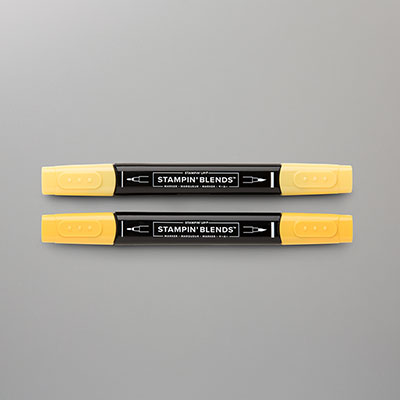
The cornfield card has more pieces, but the order keeps it manageable. I put a strip of Hydrangea Hue gingham along the bottom of a white panel, then stamped “This is something to crow about” near the top. I stamped the hay bale and two crows, colored the birds with Gray Granite Stampin’ Blends, and die cut the corn stalks, corn, fence, and characters. The trick is to assemble the scene like a stage: stalks first, corn next, fence in front, then hay and crows raised on Dimensionals. That layering makes the corn look as though it is actually growing behind the fence. Low tack tape helps hold the dies while cutting, and a fine-tip bottle of liquid glue makes the narrow stems and fence much less fiddly. Die cut a few extra pieces while your machine is out; those leftovers can jump-start another project.

Color the scarecrow without aiming for perfection

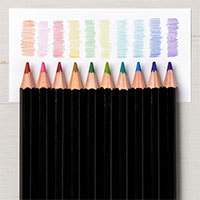
My favorite little character might be the scarecrow. I stamped him in black hybrid ink on a 3" x 4" white panel, using a positioning platform so I could deepen the impression with a second pass. Give the ink a moment to dry before coloring. I used watercolor pencils for his yellow face, brown hat, straw hair, Cajun Craze shirt and patches, and Night of Navy overalls. Put a little more pencil near the edge of a shape, then pull the color toward the middle with a Blender Pen. You do not have to fill every bit of white space with pencil. The pen softens the marks and does much of the blending for you. Scribble it on scrap paper until clear before changing colors. A Cajun Craze mat leaves a slim border around the finished panel, and three matching dots tie the whole card together.

Pick the card that fits your day

If you have ten minutes, let the paper do the work. If you feel like playing, build the cornfield. If coloring helps you unwind, sit down with the scarecrow. Each approach gives you a beginner-friendly handmade fall card with enough detail to make it feel special. Which would you make first: the paper-swap greeting, the crows, or the scarecrow? Tell me in the comments, save this post for a fall crafting day, and grab the printable directions through my email or blog.


Product List

September 7, 2026

3 Easy Sunflower Cards That Make Designer Series Paper the Star

 Have you ever opened a beautiful pack of Designer Series Paper, admired every pattern…then quietly put it back because choosing where to cut felt like too much pressure?

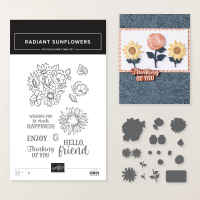
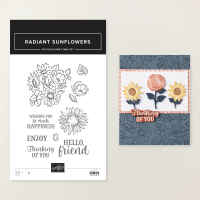
If your crafting time is limited, the last thing you need is a complicated design or the worry that you might “ruin” the pretty paper. These three easy fall card ideas using the Stampin’ Up! Radiant Sunflower Suite are proof that you do not need hours, dozens of supplies, or a perfect plan. You simply need one pattern you love and an easy layout to get started.

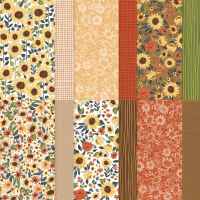
Each card uses the Radiant Fields Designer Series Paper in a different beginner-friendly way. You can copy the layouts exactly or use them as starting points with the paper and stamps already in your craft room.

1. Let Coordinating Paper Do the Design Work

The first card covers the entire front with two coordinating paper patterns: a green stripe and a warm tone-on-tone floral. Placing them side by side instantly creates color, contrast, and movement without adding extra layers.

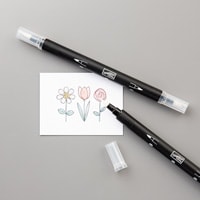
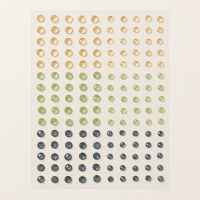
A stamped sunflower, a tiny butterfly, a simple “Enjoy” sentiment, and a few Radiant Gems provide the finishing touches. The flower was colored with Stampin’ Blends, but the coloring does not need to be elaborate. A lighter shade for the base and a darker shade near the center is enough to give the petals dimension.

Try this: Choose one quieter pattern and one busier pattern from the same paper collection. Because the colors already coordinate, you can skip the stressful matching step and trust the paper designer.

Two coordinating patterns create a complete card front with almost no design guesswork.

2. Use One Angled Cut for an Easy Wow

The second card looks impressive, but the design begins with one simple angled cut. A piece of Cajun Craze plaid Designer Series Paper covers part of the white card base, leaving a clean diagonal area for the greeting and floral focal point.

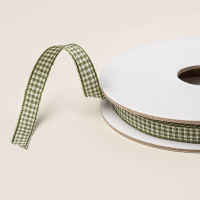
This is a wonderful layout for the days when your creative energy is low. The angle adds interest before you stamp a single thing, while the white space keeps the finished card from feeling busy. The large flower cluster is stamped once, colored quickly, die cut, and added with dimensionals. A length of Mossy Meadow gingham ribbon hides the edge of the paper and pulls the whole card together.

Permission slip: Your angle does not have to match mine. If it lands a little differently, it is not wrong—it is your card. Trim any tiny overhang and keep going.

A single angled panel leaves room for a bold floral image and a friendly greeting.

3. Turn One-Inch Scraps into a Clean Card Layout

Do you save narrow strips of pretty paper because they feel too useful to throw away? This third design gives them a job. Cut three coordinating strips to 1 x 4 inches, snip a small notch into one end of each strip, and arrange them across a Thick Basic White card base.

Add a die-cut sentiment over the lower portion of the banners and finish with a few gems. That is it. The result is clean, cheerful, and easy to reproduce—especially when you need several cards but do not want an assembly line that feels like work.

Make it yours: Change the sentiment and this same layout can become a birthday card, thank-you card, thinking-of-you card, or seasonal greeting. It is also a smart way to use scraps before reaching for a fresh sheet.


Three one-inch banner strips turn coordinating scraps into a polished focal point.


Simple Cards Still Feel Special

A handmade card does not need to be complicated to make someone feel remembered. If you have been waiting for more time, more confidence, or a perfectly organized craft room, let this be your reminder: you can begin with one card, one easy layout, and the supplies you already have.

Which of these Radiant Sunflower cards would you make first—the full paper background, the angled panel, or the three-banner design? Leave me a comment and tell me your favorite. Save this post for the next time you need an easy fall card idea, and use the free tutorial to recreate all three at your own pace.


Product List


09 10 Code line 7 9 is for loading jQuery library. Remove this line if you’ve already loaded it somewhere else in your blog. Hint: If your blog has an image slider, carousel or something with fading effect running, chances are it is powered by jQuery. If this widget doesn’t work, the first thing you want to do is comment out or remove this line. To use your own button, replace the URL in line 3 with the direct link URL to the image. Make sure to keep the quotes. To reposition the button, replace